Summer means more outings — meals out with friends, trips, walks around town. But when the weather heats up, blood sugar can start acting a little unpredictable. A few small habits can make all the difference.
Why does hot weather affect blood sugar?
When it's hot, the body sweats more and loses water faster. If you don't replace it by drinking enough, blood sugar can actually rise.1 High heat can also change how the body responds to medication or insulin — sometimes making low blood sugar more likely than usual.
What to keep in mind when heading out
- Drink water often, even if you don't feel thirsty.
- Try to avoid going out during the hottest part of the day — mornings or evenings are more comfortable.
- While you're out, check in with how you're feeling — any dizziness, shakiness, or unusual tiredness.
- Wear light-colored, loose, breathable clothing, and bring a hat or umbrella for shade.
- Even at the beach or pool, wear sandals rather than going barefoot, so you don't accidentally hurt your feet without noticing.
How to store medication and your blood sugar monitor
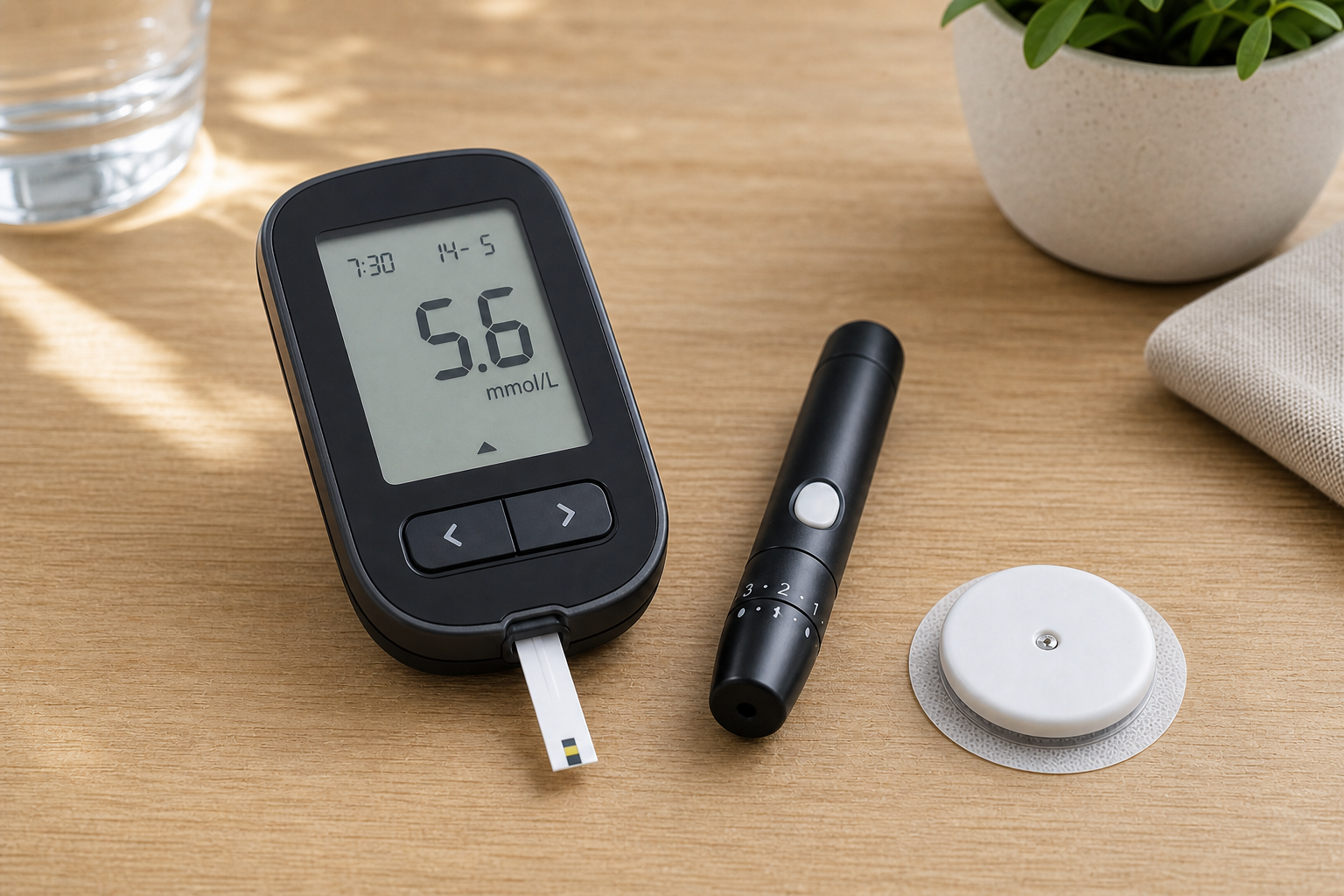
Insulin and certain medications don't like heat or direct sunlight — never leave them in a car or anywhere they'll bake in the sun. When you're out and about, an insulated bag is a good idea, but make sure the medication doesn't touch ice directly. Blood sugar monitors and test strips are sensitive to heat too, so keep them somewhere cool whenever you can.1
What if you start feeling unwell?
Feeling unusually tired, dizzy, or having a racing heart or clammy skin can all be signs that your body is warning you about heat exhaustion. Find some shade, sit down, and sip water slowly. If you don't feel better after resting, or if you start feeling confused, don't try to push through it — get help or see a doctor straight away.2