
Articles
Short, practical guides on eating, walking and small daily habits that support blood sugar.

Diabetes care
A Few Things to Watch Out for This Summer If You Have Diabetes
Hot weather can make blood sugar harder to manage — sweating more, reacting differently to medication, and storing insulin safely all need a bit more thought in summer. Here's what to keep in mind.
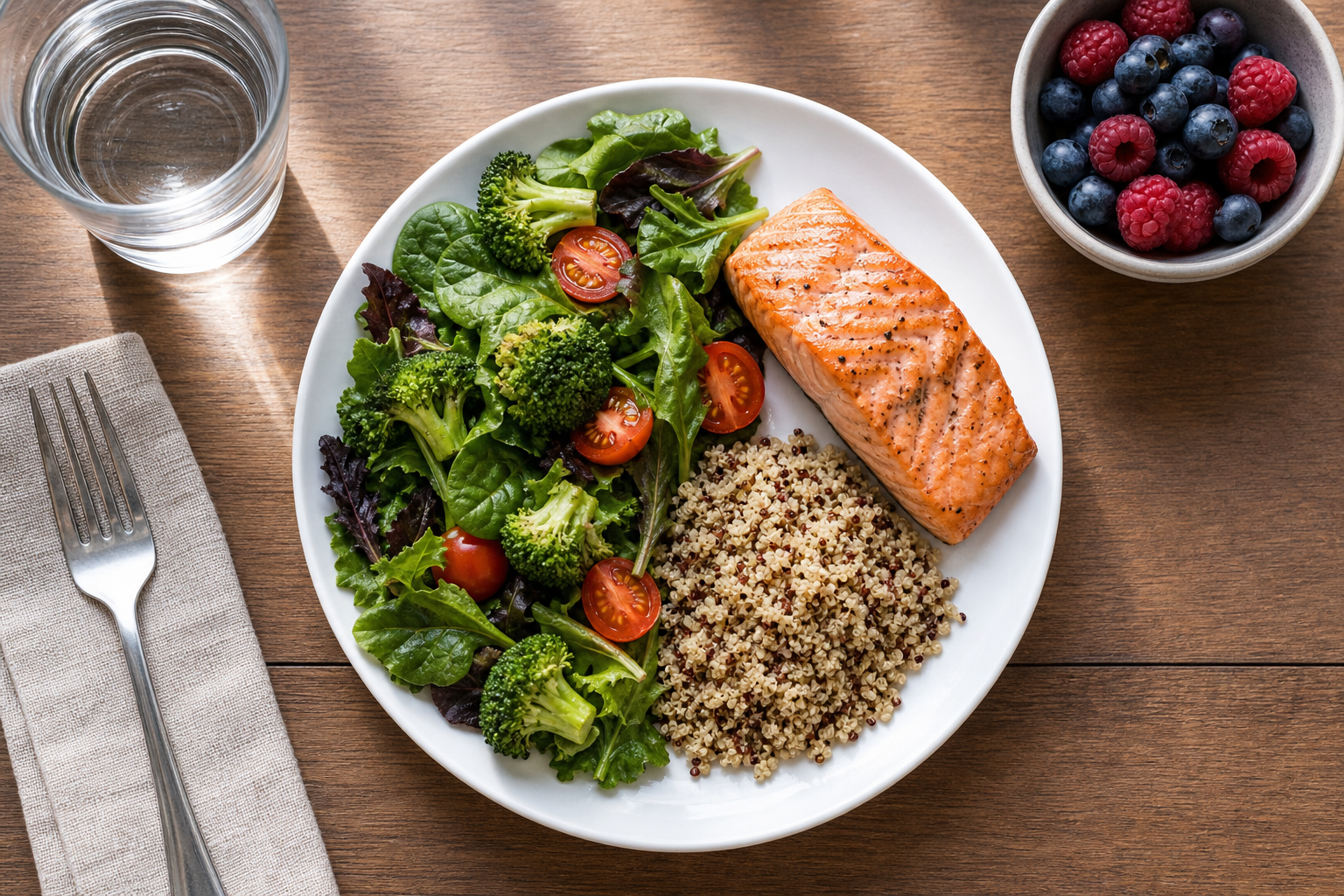
Prediabetes
Prediabetes Isn't a Done Deal — It Can Actually Be Turned Around
Hearing that you have prediabetes can feel like the clock is already ticking. But for many people, blood sugar genuinely returns to a normal range — here's what the evidence says and what kinds of changes actually help.
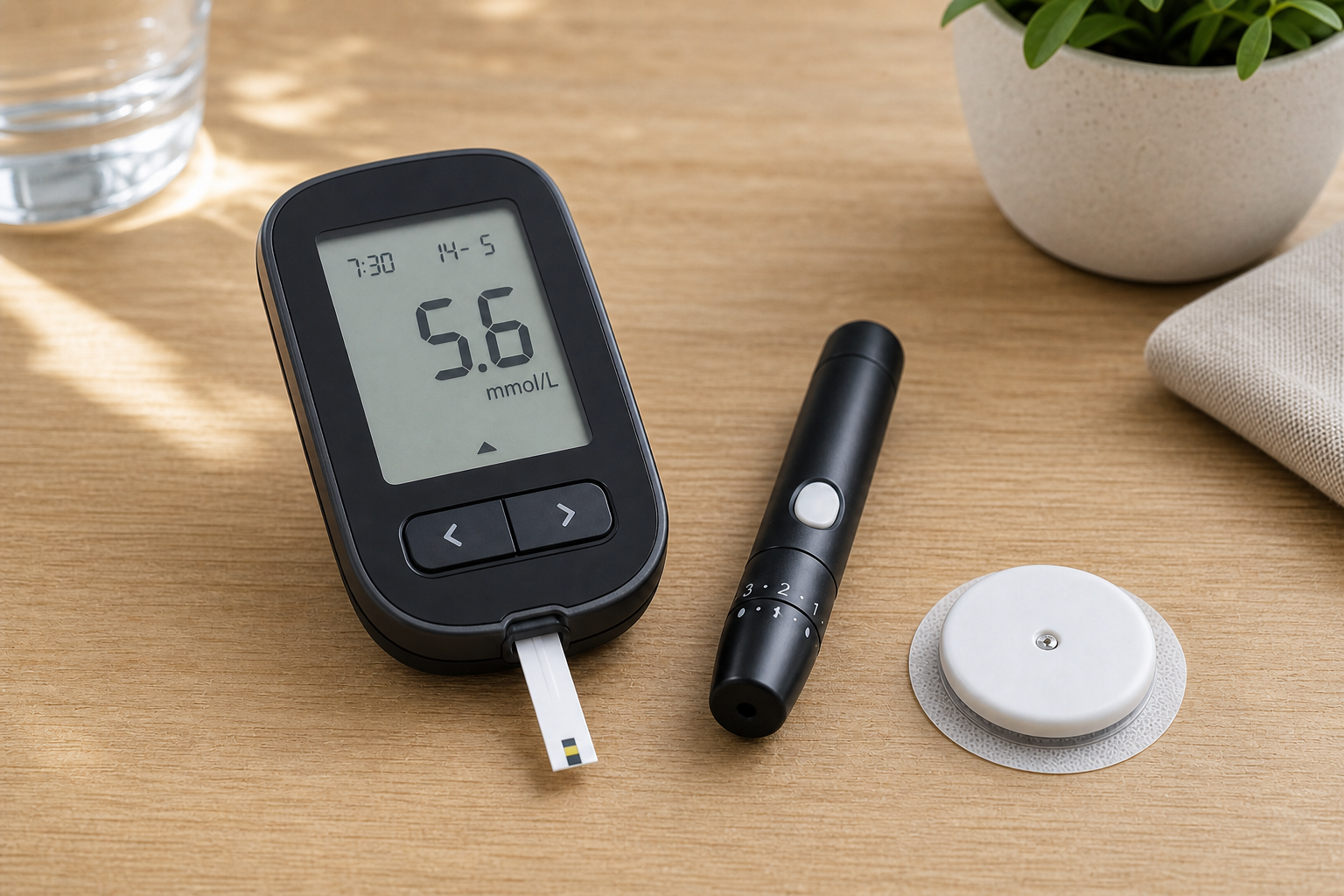
Diabetes awareness
Why Are More Young People Getting Diabetes These Days?
Diabetes used to be seen as a condition of older adults — but teenagers and people in their thirties are increasingly being diagnosed. What's driving the shift, why it matters, and what families can do.
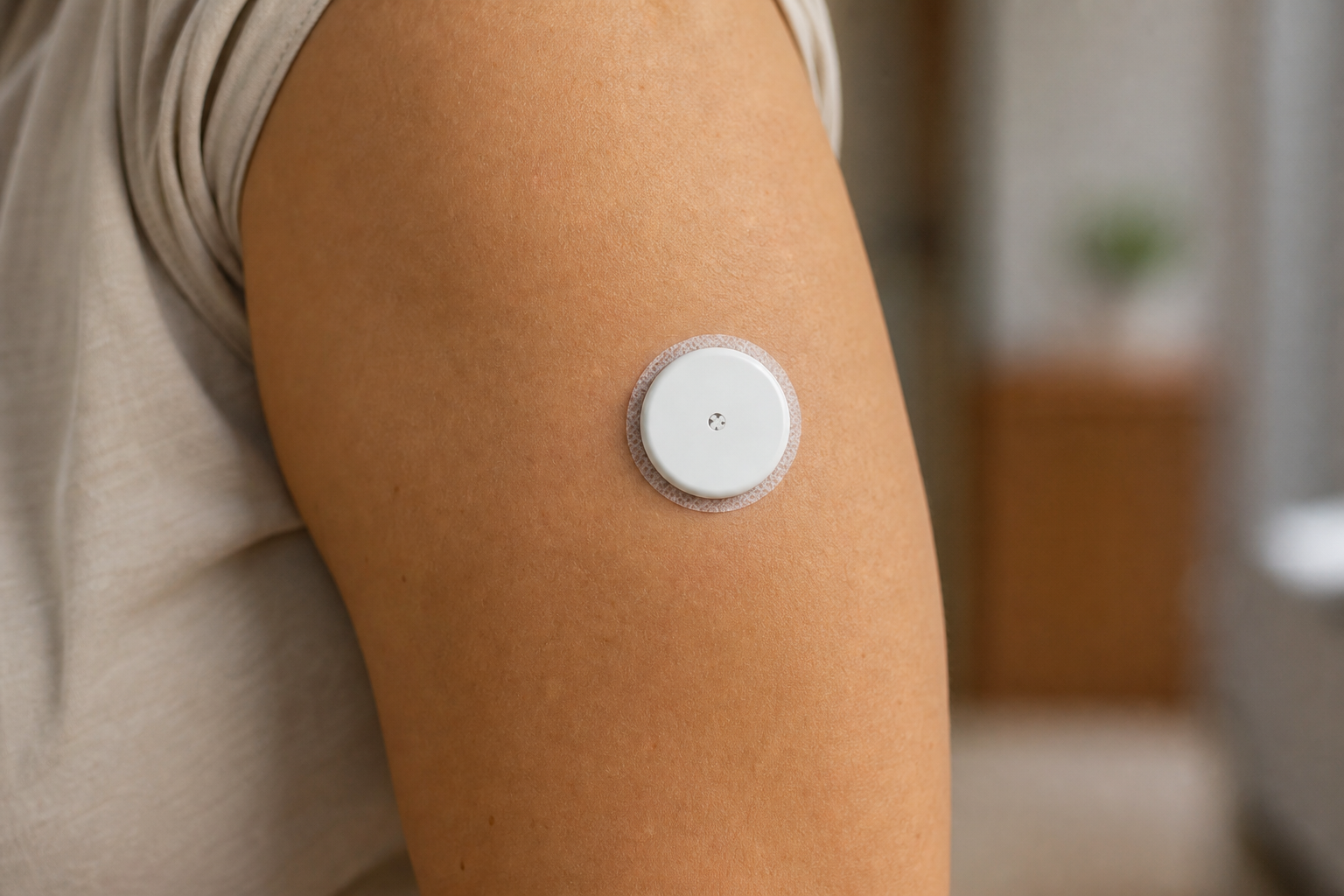
Tools & monitoring
CGM in Hong Kong: who it's actually for
For people already living with type 2 diabetes on insulin, switching from finger‑prick testing to continuous glucose monitoring (CGM) is linked to roughly a 1% drop in HbA1c, and early prediabetes studies suggest that even short‑term CGM use can nudge people toward smaller portions, healthier swaps, and more activity — but for now, most of the strongest data is in insulin‑treated type 2 rather than pure prediabetes.
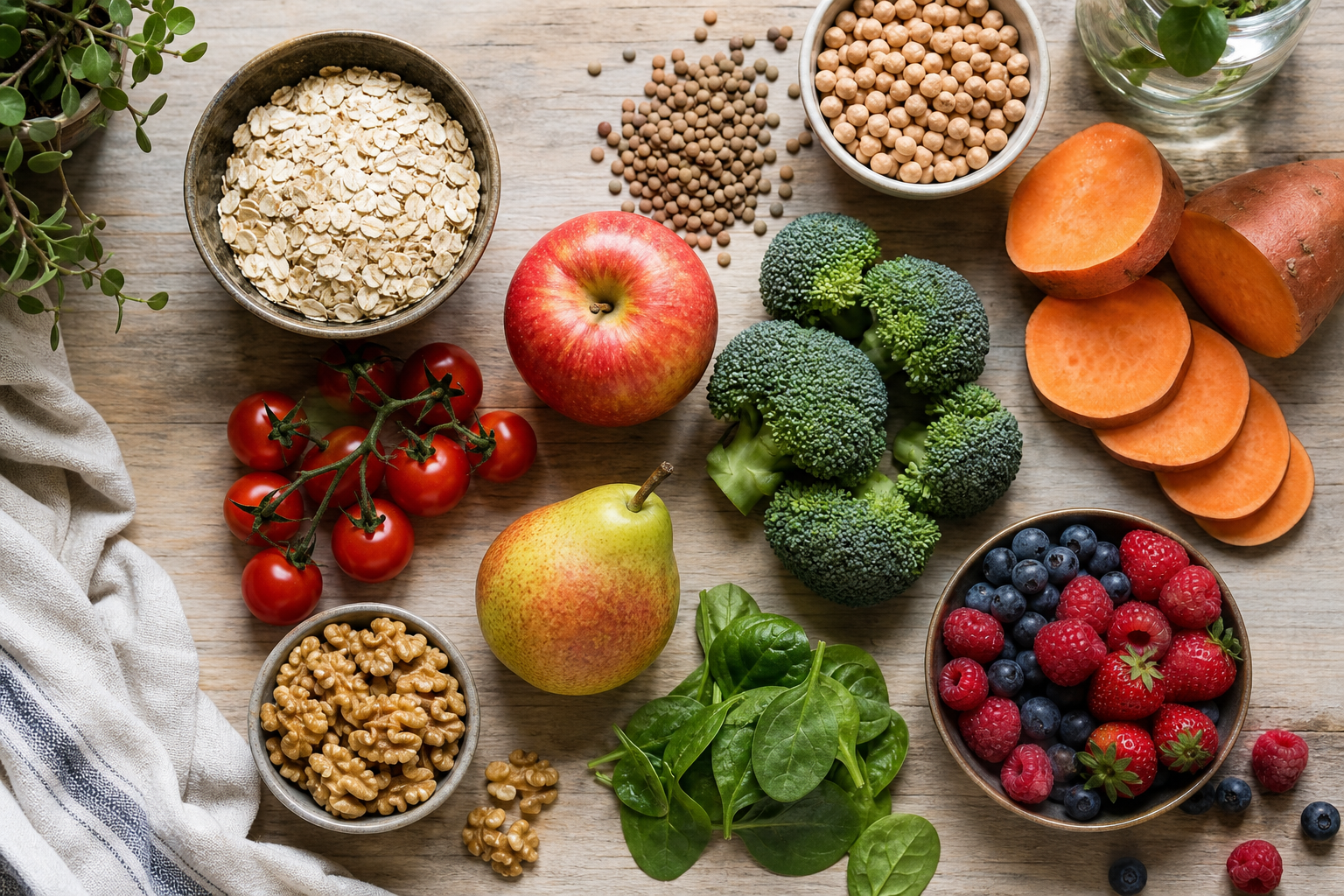
Diet & blood sugar
Glycaemic index explained: what it does, what it doesn't
Low‑GI and low‑GL eating patterns (more "slow carbs", fewer rapid‑spike foods) reliably bring HbA1c down by about a third of a percentage point on average in people with diabetes, and also modestly improve fasting glucose, lipids, blood pressure and inflammation — but portion size and overall balance still matter, so "low GI" is a tool, not a magic label.
Blood sugar basics
Blood sugar targets after meals: what numbers to aim for
For everyday tracking, most adults with diabetes use simple targets: before meals, aim for about 4–7 mmol/L, and roughly under 10 mmol/L one to two hours after eating; lab cut‑offs for diagnosing prediabetes and diabetes are stricter (fasting ≥7.0 or 2‑hour ≥11.1 mmol/L for diabetes).
Diet & blood sugar
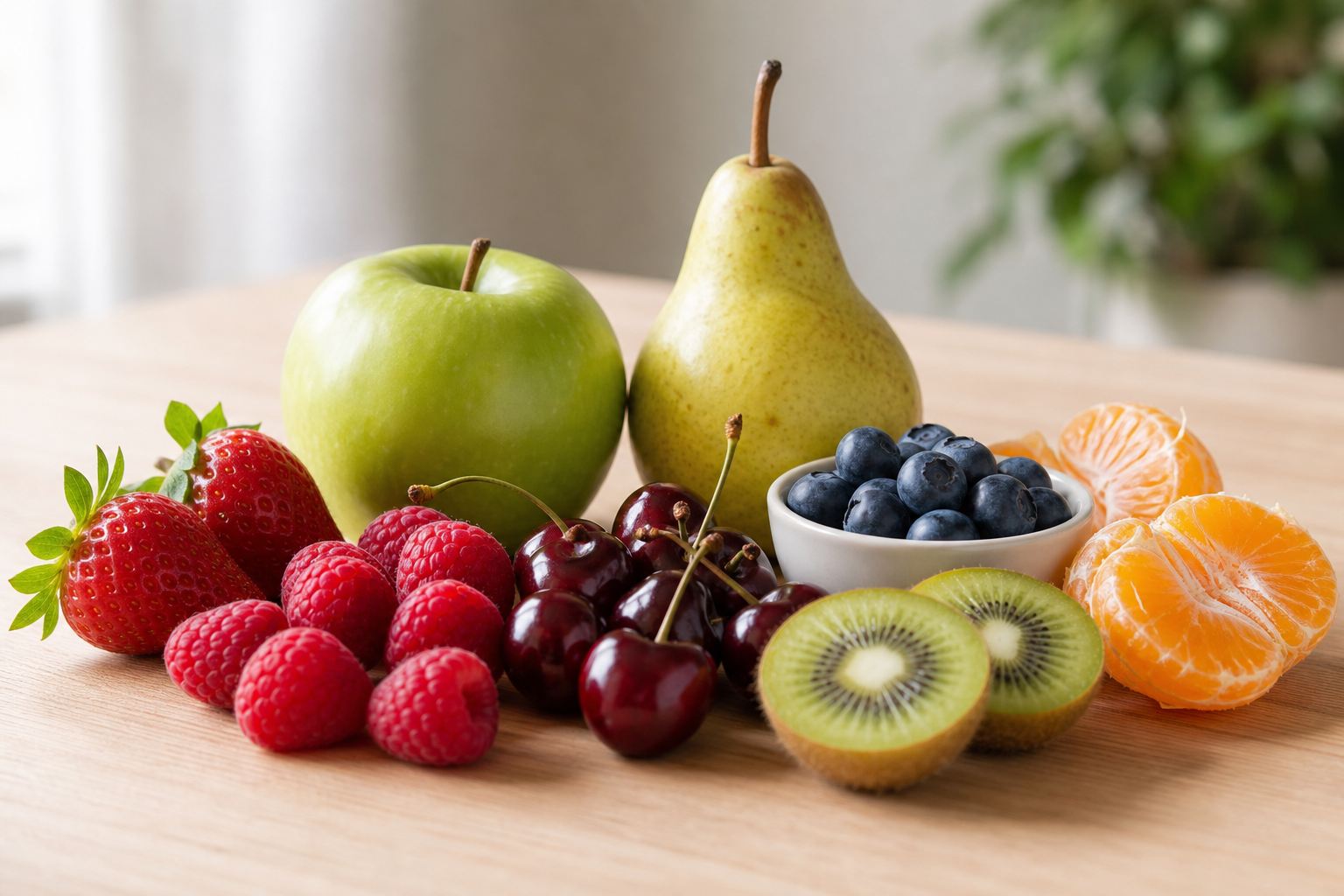
Fruit and blood sugar: which fruits are actually safer
Whole fruits are not "banned" for diabetes — most people do better focusing on which fruits and in what form: whole, lower‑GI fruits like apples, pears, berries, cherries, citrus and kiwi are steadier choices, while very sweet, high‑GI fruits (mango, ripe banana, pineapple, watermelon, cantaloupe) and fruit juice push blood sugar up faster.
Post-meal walking
How a post-meal walk helps blood sugar
Why a short walk shortly after eating tends to flatten the post-meal blood-sugar rise — what the research actually says, how long the walk needs to be, and how to make it a habit you'll keep.
Prediabetes diet
Prediabetes diet: where to start
If you've just been told your blood sugar is in the prediabetes range, here's a calm, practical place to begin — three swaps to try first, what the research actually shows, and how to keep eating like a normal person in Hong Kong.

Understanding diabetes
"I've Never Had a Sweet Tooth — So Why Did This Happen to Me?"
The belief that diabetes comes from eating too much sugar is one of the most persistent misconceptions about the condition. This piece explains what actually causes type 2 diabetes — and why diet still matters, just not in the way most people assume.

Diabetes care
Feeling Fine Doesn't Mean Everything Is Fine — What Does a Diabetes Check-Up Actually Look For?
Many diabetes complications develop quietly, long before symptoms appear. This piece covers why regular reviews matter, what each appointment should cover, and which specialist referrals cannot be put off.

Diabetes complications
Your Skin Is Talking — Are You Listening?
Skin problems affect up to 80% of people with diabetes — and sometimes appear before a diagnosis is made. This piece covers what to watch for, why it happens, and the everyday habits that protect your skin.