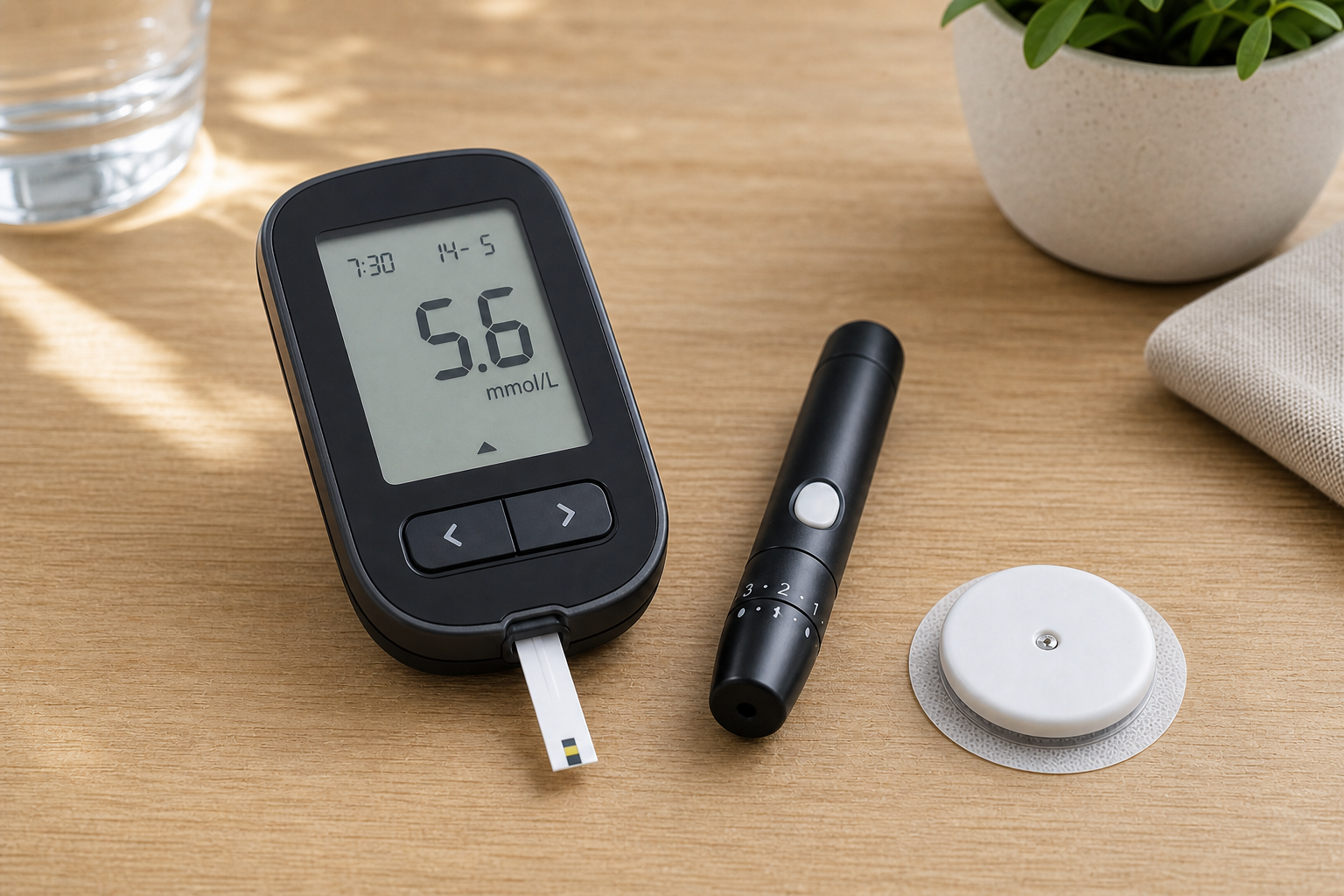
Hearing a doctor say "you have prediabetes" can feel heavy — like it's only a matter of time before it becomes full diabetes. But prediabetes is actually a valuable stage. With the right changes, blood sugar can genuinely return to a normal range.
Does prediabetes mean I already have diabetes?
No. Prediabetes means blood sugar is a bit higher than normal, but not yet at the level of diabetes. Think of it like a yellow light — a signal to pay attention, but there's still time to change direction.
Can prediabetes really be reversed?
Yes. Adjusting diet and increasing physical activity can significantly reduce the chance of prediabetes progressing to full diabetes — and this protective effect lasts for many years.1 Many people with prediabetes have brought their blood sugar back to a normal range simply by changing their daily habits.4
What kind of changes actually help?
- Try to eat meals at regular times and avoid overeating.
- Eat more vegetables, and cut back on refined starches and fried food.
- Take a walk or do some light exercise every day — even 10 to 15 minutes makes a difference.
- If you're carrying extra weight, losing even a small amount can have a meaningful positive effect on blood sugar.2
- Starting sooner rather than later tends to bring better results.
Do I need to lose a lot of weight for it to work?
Not necessarily. Even without a large drop in total body weight, improving daily habits and overall metabolic health can still help blood sugar return to a normal range.5 There's no need to put too much pressure on yourself — small, steady steps are enough.
For practical guidance on where to begin with food choices, see our companion piece: Prediabetes diet: where to start.